
In This Article
A steering wheel cover for car use is a stretchy or stitched sleeve, usually microfibre, PU or genuine leather, that fits over your existing rim. It improves steering wheel grip, hides wear, and takes the sting out of scorching summer and freezing winter drives. Most fit 37–39cm wheels, though smaller and larger sizes exist.

Think about it. The steering wheel is the one part of your car you touch on every second of every journey, yet it’s often the cheapest-feeling bit of the cabin. It’s cold enough in January to make you flinch. By July it can feel like a frying pan, and after a few years it goes shiny, sticky or slick. A good steering wheel cover for car interiors is one of the rare upgrades that costs less than a tank of petrol and changes how the car feels every single day.
This guide covers the ground that matters to UK drivers. There’s the right size for a steering wheel cover for small hands, and what to do about a worn steering wheel wrap that’s peeling or polished smooth. You’ll also find how to judge steering wheel grip beyond “it feels nice”, and how a cover helps seasonal driving comfort in a British year that swings from frost to heatwave.
One honest note before we start. I haven’t driven with any of these covers. Everything below rests on spec sheets, retailer listings and the review themes that showed up at the time of research. Where I couldn’t verify something, I say so. Prices are ranges only, so check current price before buying.
Quick Comparison Table: 7 Steering Wheel Cover for Car Options at a Glance
| Product | Fits | Material | Price range | Best For |
|---|---|---|---|---|
| Valleycomfy Genuine Leather | 37–38cm (14.5–15″) | Genuine leather, inner rubber ring | £20–£30 | Long-term durability |
| Valleycomfy Microfiber Leather | 37–38cm (15″) | Microfibre leather, padded | £12–£20 | Everyday comfort |
| Simoni Racing CVT/55 | 37–39cm | Eco-leather, multi-colour | £10–£15 | Budget colour options |
| Red Bull Racing RBSWC001BR | Universal (check size) | Perforated leather, cloth grips | £15–£25 | Sporty ventilation |
| SEG Direct Carbon Fibre Microfiber | 37–39cm | Microfibre with carbon-fibre look | £10–£18 | Sleek, thin-rim feel |
| Black PVC Leather Look 35–36cm | 35–36cm | PVC leather-look | £7–£15 | Small steering wheels |
| 12V Heated PU Leather Cover | 37–39.5cm | Quilted PU, heated | £15–£30 | Frosty winter mornings |
Read that table by size first, then by material. If your wheel measures 35–36cm, only the Black PVC Leather Look 35–36cm cover is designed for it, and forcing a 37–39cm sleeve onto a smaller rim is a recipe for wrinkles. For standard wheels, the Valleycomfy Genuine Leather sits at the durable end, while Simoni Racing CVT/55 and SEG Direct Carbon Fibre Microfiber are the wallet-friendly ones. The 12V Heated PU Leather Cover is the only seasonal specialist, so it needs a different kind of thinking.
💬 Just one click — help others make better buying decisions too!😊
Top 7 Steering Wheel Cover for Car Picks: Expert Analysis
Each pick below is a real listing that appeared on Amazon UK or in UK retail results during research. Availability and variants change, so confirm the size on the page before you order.
1. Valleycomfy Genuine Leather — durable pick for daily commuters
The headline here is real cowhide rather than a plastic imitation, which matters because leather breathes and softens with use. Valleycomfy’s UK listing describes an inner rubber ring, a skid-proof lining and a 37–38cm fit (14.5–15″), and says it also suits D-shaped wheels.
That rubber ring is the spec worth understanding. It grips the rim rather than relying on stretch alone, which is what stops a cover twisting in your hands on a roundabout. Based on the spec comparison, this is the sensible choice if you keep cars for years and hate replacing accessories.
US roundups repeatedly place Valleycomfy among Amazon’s better-selling covers. I couldn’t verify a UK-only review breakdown, so treat that as a popularity signal rather than a guarantee.
Pros:
- ✅ Genuine leather softens and ages well
- ✅ Inner rubber ring resists slipping
- ✅ Suits round and D-shaped wheels
Cons:
- ❌ Stiff to stretch on first fitting
- ❌ Costs more than PU alternatives
Around £20–£30 range; good value if you plan to keep it for years.

2. Valleycomfy Microfiber Leather — softest padded feel for everyday driving
This is the gentler, cheaper sibling. The listing promises breathable, soft padding with a contoured, massage-style surface, made from microfibre leather rather than the real thing.
In practice that means a slightly fatter rim, which suits anyone with tired hands on long motorway stints. It also means a little less feedback through the wheel than a thin leather sleeve, and drivers who like a sporty, direct feel may find it too cushy. Think of it as slippers for your hands.
Reviewer themes for the microfibre range in general (across Valleycomfy and rival brands) lean towards comfort and easy fitting, with occasional complaints about tight installation. I couldn’t confirm a fixed UK rating for this exact variant.
Pros:
- ✅ Padded, contoured surface reduces hand fatigue
- ✅ Breathable in warm weather
- ✅ Cheaper than genuine leather
Cons:
- ❌ Thicker rim dulls steering feedback
- ❌ Microfibre can wear shiny eventually
Around £12–£20 range; strong value for comfort-first buyers.
3. Simoni Racing CVT/55 — Italian-brand colour choice on a budget
Simoni Racing is an Italian company founded in 1987, and the CVT/55 is its universal multi-colour eco-leather cover for 37–39cm wheels, offered in black, grey, yellow and carbon-green combinations. It was listed at the low-teens in pounds when I checked.
Here’s what the spec sheet won’t say. Eco-leather usually means a synthetic surface. It’s easier to wipe clean than real leather but doesn’t breathe as well, so it’s better suited to cooler months or air-conditioned cars. The multi-colour panels also add visual pattern, which some love and some regret by week three.
I couldn’t verify meaningful review data for this exact listing, so I’m not going to invent any. It’s a sensible pick for a first-time buyer who wants to test whether covers suit them.
Pros:
- ✅ Recognised brand at a bargain price
- ✅ Wipe-clean synthetic surface
- ✅ Bold colour options for personalisation
Cons:
- ❌ Less breathable than real leather
- ❌ Unverified long-term durability data
Around £10–£15 range; excellent entry-level value.
4. Red Bull Racing RBSWC001BR — sporty ventilation with cloth grip zones
This one pairs perforated leather with cloth grips, and the listing pitches it as universal fit with a motorsport look. The perforations are the practical bit, because tiny holes let your palms breathe on sweaty summer days.
The catch is the vague sizing. “Universal” is often used loosely for the common 15-inch wheel, so measure yours before you commit, because a cover that’s even half an inch off will creep. Cloth grip zones can also collect dirt faster than smooth surfaces, which is worth knowing if you eat in the car.
I couldn’t verify aggregated review sentiment for this specific model. If the brand badge is what attracts you, weigh that against plain alternatives like the SEG Direct Carbon Fibre Microfiber, which offers a similar sporty look without the licensing premium.
Pros:
- ✅ Perforations improve breathability in heat
- ✅ Cloth grip zones aid hand placement
- ✅ Distinctive motorsport styling
Cons:
- ❌ Sizing wording is vague
- ❌ Cloth areas can trap dirt
Around £15–£25 range; you’re partly paying for the badge.
5. SEG Direct Carbon Fibre Microfiber — thin, sleek rim without bulk
SEG Direct’s microfibre leather covers appear again and again in US and UK roundups, and this variant adds a carbon-fibre-look insert for a 37–39cm standard fit. The microfibre is described as smooth and durable.
Why care? A thinner cover keeps more of the original wheel’s shape and feedback, which suits drivers who found padded covers numb. Interpreted properly, “carbon fibre” here is a surface pattern, not structural carbon, so don’t expect it to behave like a racing part.
Reviewers of SEG Direct products commonly praise the fit and finish. Common cautions across similar microfibre covers include a tight first install and a slightly glossy look under strong sunlight.
Pros:
- ✅ Slim profile preserves steering feel
- ✅ Standard 37–39cm fit suits most cars
- ✅ Smooth surface wipes clean easily
Cons:
- ❌ Carbon look is cosmetic only
- ❌ Can look glossy in bright light
Around £10–£18 range; good value for slim-grip fans.

6. Black PVC Leather Look 35–36cm — the rare cover for genuinely small wheels
This is the star for anyone shopping for a steering wheel cover for small hands or a compact car. The listing specifies a 35–36cm diameter, an anatomically shaped fit, and protection from scratches and scuffs. Many mainstream covers start at 37cm, so this niche matters.
The practical read: a properly sized cover sits tight, and here that’s exactly the point. One aggregated reviewer theme is a snug, slightly awkward first fitting, followed by a firm feel that doesn’t slide around, which beats a baggy fit that spins.
The trade-off is material. PVC doesn’t stretch like leather and won’t breathe as well, so it suits cooler weather better than a heatwave commute.
Pros:
- ✅ Designed for 35–36cm wheels
- ✅ Tight fit resists slipping
- ✅ Very affordable
Cons:
- ❌ PVC feels less premium than leather
- ❌ Fitting takes patience and warmth
Around £7–£15 range; unbeatable if your wheel is genuinely small.
7. 12V Heated PU Leather Cover — winter warmth for frosty commutes
This Amazon UK listing offers quilted PU leather for wheels of 37–39.5cm with overheat protection, plugging into the 12V socket. It’s the only entry here built around seasonal driving comfort rather than daily grip.
Consider what this actually solves. Gripping an ice-cold rim with stiff fingers is unpleasant, and if you live with Raynaud’s, the NHS explains that cold can trigger attacks, so a warm rim is more than a luxury. The cable is the compromise, since it runs from the wheel to the socket and needs tidy routing.
Reviews of heated covers on Amazon UK flag tight fitting. One reviewer of a comparable listing reported electrical trouble in a van after plugging in, so check your socket rating and fuse before use.
Pros:
- ✅ Warms cold hands within minutes
- ✅ Overheat protection per listing
- ✅ Quilted PU improves grip
Cons:
- ❌ Cable needs careful routing
- ❌ Seasonal use only
Around £15–£30 range; worthwhile if your car lacks a factory heated wheel.
Steering Wheel Cover for Small Hands: Sizing and Fitting Guide
If you’ve ever felt your fingers can’t quite wrap round a fat rim, you’re not imagining it. Comfort is partly about circumference, and a steering wheel cover for small hands should ideally add grip without adding bulk. Reviewers and sizing guides consistently note that a cover that’s too loose will slide and one that’s too tight will fight you.
Step one: measure two things. First the wheel’s outside diameter, from edge to edge. Then wrap a soft tape around the thickest part of the grip for the circumference. Most passenger cars fall between 14.5 and 15.5 inches (37–39cm). Smaller wheels around 35–36cm are less common but do exist.
Step two: buy by the smaller number. If your measurement falls between two sizes, sizing guides advise choosing the smaller cover, because a larger one will be loose and may slide.
Step three: favour thin profiles. For a steering wheel cover for small hands, slim options like the SEG Direct Carbon Fibre Microfiber or the Black PVC Leather Look 35–36cm preserve reach better than padded designs like the Valleycomfy Microfiber Leather.
Step four: test the twist. Once fitted, try rotating the cover against the rim. If it moves, it’s too big.
The takeaway: for small hands the enemy is bulk, and for small wheels the enemy is a mismatched size.

How to Fit a Steering Wheel Cover for Car Without It Slipping
Fitting is where a great cover becomes a bad one. Most slipping problems come from rushed installation, not from the product.
- Clean the rim first. Body oils and dashboard-cleaner residue reduce friction. Wipe with a lightly damp cloth and let it dry.
- Warm the cover. Leaving it in a warm room for a while, or using a hairdryer briefly, softens the material so it stretches evenly. Don’t overheat PVC or heated-cover wiring.
- Start at the top. Hook the cover over the 12 o’clock position, then work down each side simultaneously.
- Finish at the bottom. Pull the lower section over the rim last, easing out wrinkles as you go.
- Do the twist test. Grip and twist. A correctly sized cover should resist rotation.
- Check the first 30 days. Re-check tightness after a week, since materials settle.
A common mistake is leaving one slack patch near the spokes, which later migrates into a lump under your thumb. Take your time and smooth it out. The Highway Code advises drivers to keep both hands on the wheel where possible, so a cover that shifts under your hands works against exactly the control that advice is about.
✨ Don’t Miss These Exclusive Deals!
🔍 Take your driving comfort to the next level with these carefully selected steering wheel covers. Click on any highlighted item to check current pricing and availability. These picks will help you create a cabin that feels genuinely yours!
Real-World Scenarios: Which Steering Wheel Cover for Car Suits Which Driver?
Specs are abstract. Let’s put real drivers behind the wheel.
The daily commuter with a 40-minute motorway run. You need comfort and a consistent grip more than looks. The Valleycomfy Microfiber Leather offers padding for long stints, while the Valleycomfy Genuine Leather suits you if you’ll keep the car for years and value breathability.
The compact-car owner with a 35–36cm wheel. Your options are narrower, so the Black PVC Leather Look 35–36cm is the logical fit. Add a hairdryer at fitting time and be patient.
The rural driver with a freezing Peugeot on the drive at 7am. A 12V Heated PU Leather Cover pays back on every frost. Just confirm your 12V socket’s rating, and unplug it once the rim is warm.
The budget-conscious first-car owner. Try the Simoni Racing CVT/55 or SEG Direct Carbon Fibre Microfiber. Both cost about the same as a pub lunch, and if the cover doesn’t suit you, the loss is small.
The style-first driver. The Red Bull Racing RBSWC001BR offers perforated leather and a sporty look, provided the sizing checks out.
Each of these is a different answer to the same question: what problem does your hand need solved?
How to Choose a Steering Wheel Cover for Car: 7 Steps
- Measure your wheel. Diameter and grip circumference both matter. Most cars sit between 37 and 39cm.
- Pick a size, not a slogan. “Universal” is a loose word. Match the labelled range to your measurement.
- Decide on material. Genuine leather breathes and ages well. Microfibre feels soft and wipes clean. PVC and PU cost less but breathe less.
- Check the lining. An inner rubber ring or non-slip lining holds the cover in place on corners.
- Consider thickness. Slim covers keep steering feedback, while padded ones cut fatigue.
- Match the season. Perforations and breathable fabrics suit summer. Quilted or heated covers suit winter.
- Read recent reviews. Look for recurring themes such as fit problems, smell and stitching failure rather than one-off praise.
Follow those seven steps and you’ll avoid most regrets before spending a penny.
Steering Wheel Grip: Which Materials Actually Help?
Steering wheel grip isn’t magic. It’s friction, moisture management and how much of your hand touches the surface. Here’s how the main materials compare.
| Material | Grip when dry | Grip when sweaty | Durability | Best For |
|---|---|---|---|---|
| Genuine leather (Valleycomfy Genuine Leather) | Very good | Good, breathes | High | Long-term owners |
| Microfibre (SEG Direct Carbon Fibre Microfiber) | Good | Fair | Medium | Slim-rim fans |
| PU / PVC (Black PVC Leather Look 35–36cm) | Fair | Poor in heat | Medium | Cool weather, small wheels |
| Perforated leather (Red Bull Racing RBSWC001BR) | Good | Very good | Medium-high | Warm-weather driving |
The pattern is clear. Real leather and perforated designs cope best with sweaty palms, while plain PVC is fine until July. Sweaty hands are the reason a “grippy” cover can feel greasy by mid-summer. If you drive in a heatwave, ventilation counts as much as texture, and perforated or breathable materials make the difference. Steering wheel grip also depends on fit, because even the stickiest surface loses if the cover rotates on the rim.
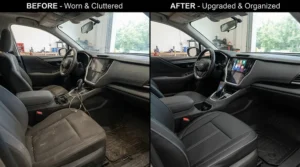
Worn Steering Wheel Wrap: Cover It, Re-Trim It or Ignore It?
A worn steering wheel wrap is more than cosmetic. Shiny, cracked or peeling leather reduces grip and can leave flakes on your hands. Older cars are the usual culprits, but plenty of newer ones develop polished patches at the 10 and 2 positions within a few years.
| Option | Cost | Effort | Result | Best For |
|---|---|---|---|---|
| Slip-on cover (e.g. Valleycomfy Microfiber Leather) | Low | 10 minutes | Fresh grip, new feel | Most drivers |
| Professional re-trim | Much higher | Days without the wheel | Factory-like finish | Classic or premium cars |
| Do nothing | Free | None | Gradual deterioration | Short-term owners |
| Factory heated or new wheel | Highest | Garage visit | Best integration | Long-term keepers |
For most people, the cover wins on value. A Valleycomfy Genuine Leather or SEG Direct Carbon Fibre Microfiber hides a tired rim in minutes for far less than a professional job. Re-trimming only makes sense on a car you truly love, where the original stitching and finish are part of its value, so get quotes before deciding. If your rim is flaking badly, remove loose material first, because a cover over crumbling leather can transfer bits into the lining.
Seasonal Driving Comfort: Frosty Mornings and Scorching Afternoons
Britain’s weather is a joke told in four movements, and your steering wheel is on the receiving end of all of them. Seasonal driving comfort is where a cover earns its keep.
Winter. A cold rim saps dexterity. A 12V Heated PU Leather Cover provides warmth within minutes and, as noted, may help those who struggle with the cold. If you don’t want cables, a padded microfibre cover such as the Valleycomfy Microfiber Leather gives insulation without power.
Summer. Dark plastic and leather can become uncomfortably hot in parked cars. Perforated or breathable options like the Red Bull Racing RBSWC001BR help, and lighter colours stay cooler. A sunshade also protects the wheel underneath.
Autumn and spring. These are the awkward months, where thin covers like the SEG Direct Carbon Fibre Microfiber or Simoni Racing CVT/55 work best because nothing is extreme.
A useful rule: buy for your worst season, not your average one. If mornings are frosty, choose warmth. If your car bakes on the drive, choose breathability.
Common Mistakes When Buying a Steering Wheel Cover for Car
Trusting the word “universal”. It usually means the common 15-inch size. Measure your wheel first.
Buying too big. Sizing advice is blunt: if between sizes, go smaller. A loose cover slides and hurts control.
Ignoring material and climate. PVC suits winter but sweats in summer. Leather breathes. Perforated leather ventilates.
Skipping the lining. A cover without an inner ring or non-slip lining relies purely on tension.
Chasing looks over grip. A striking pattern means nothing if the surface is slippery.
Forgetting the airbag. Covers should sit on the rim, not interfere with the central airbag pad. If in doubt, check your handbook.
Overlooking the heated cover’s wiring. Heated designs need a suitable 12V socket, and cables must not obstruct the wheel or controls.
Never rechecking. Materials settle. A cover that felt perfect on day one may need adjusting in week two.
Long-Term Cost and Maintenance for a Steering Wheel Cover for Car
A cover isn’t a purchase you make once and forget. Here’s the honest cost picture.
Budget covers such as the Simoni Racing CVT/55 and Black PVC Leather Look 35–36cm cost little upfront but may need replacing sooner, particularly if stitching frays or the surface peels. Mid-range options like the Valleycomfy Microfiber Leather and SEG Direct Carbon Fibre Microfiber balance price and durability. The Valleycomfy Genuine Leather costs more, yet if it lasts several years, the cost per month of use drops sharply.
Maintenance routine:
- Monthly: wipe with a slightly damp cloth.
- Quarterly: clean more thoroughly, using a leather-safe cleaner on real leather.
- Every six months: check for creeping, loosening or fraying.
- Before summer and winter: decide whether your cover suits the coming season.
Avoid harsh solvents, which can dry out leather and degrade synthetic coatings. Heated covers need extra care, so inspect cables and connectors regularly and never use a damaged unit.
Safety and Regulations: What UK Drivers Should Know
I found no UK rule banning steering wheel covers, but safety still matters. Rule 160 of the Highway Code says to drive with both hands on the wheel where possible, which is advisory, not a criminal offence in itself. Its purpose is control, and that’s where covers can help or hurt.
A well-fitted cover improves control. A loose one is a hazard, since it can rotate when you turn sharply. That’s why the twist test matters and why you should replace any cover that slips.
Other practical points:
- Airbags: never modify or cover the airbag pad. Only rim covers are appropriate.
- Heated covers: use a properly rated 12V socket and follow the manufacturer’s instructions.
- Insurance and modifications: a slip-on cover isn’t normally a structural modification, but if unsure, mention it to your insurer.
- Visibility of warning lights: ensure thick covers don’t hide dashboard displays behind the wheel.
None of this is a reason to avoid a cover. It’s a reason to fit it properly and choose the right size.
FAQ
❓ Are steering wheel covers legal in the UK?
❓ Can a steering wheel cover interfere with the airbag?
❓ Do heated steering wheel covers drain a car battery?
❓ How do I clean a steering wheel cover for car use?
❓ Is leather better than microfibre for sweaty hands?
Conclusion
The best steering wheel cover for car drivers isn’t the fanciest. It’s the one that fits your wheel, suits your climate and matches how you actually drive. If you want longevity, the Valleycomfy Genuine Leather is the sturdy choice. For plush comfort, the Valleycomfy Microfiber Leather is hard to beat. Budget buyers will find sense in the Simoni Racing CVT/55 and SEG Direct Carbon Fibre Microfiber, sporty drivers may favour the Red Bull Racing RBSWC001BR, and anyone with a tiny wheel should look at the Black PVC Leather Look 35–36cm. If winter mornings bite, the 12V Heated PU Leather Cover is worth a look.
Measure first, buy the smaller size if you’re between two, and run the twist test. A steering wheel cover for small hands works best when it’s slim and snug, and a worn steering wheel wrap can be rescued for the price of a lunch. Never forget that steering wheel grip depends on fit as much as material, and seasonal driving comfort depends on choosing for your hardest month.
Recommended for You
- Memory Foam Car Seat Cushion: 7 Best Picks To End Aches (2026)
- Lumbar Support Cushion For Car Seat: 7 Top Picks For Bad Backs 2026
- Dog Seat Cover For Car: 7 Best UK Picks That Actually Work (2026)
Disclaimer: This article contains affiliate links. As an Amazon Associate, I earn from qualifying purchases. If you purchase products through these links, we may earn a small commission at no additional cost to you.
✨ Found this helpful? Share it with your friends! 💬🤗
